Your Makeup Gets Cakey Because of This (And How to Fix It)
💡 Quick Tip
Babe, if your foundation looks patchy after two hours, the problem isn't the makeup, it's the canvas. Deep hydration before applying foundation is the real game changer. Prep your skin and glow!
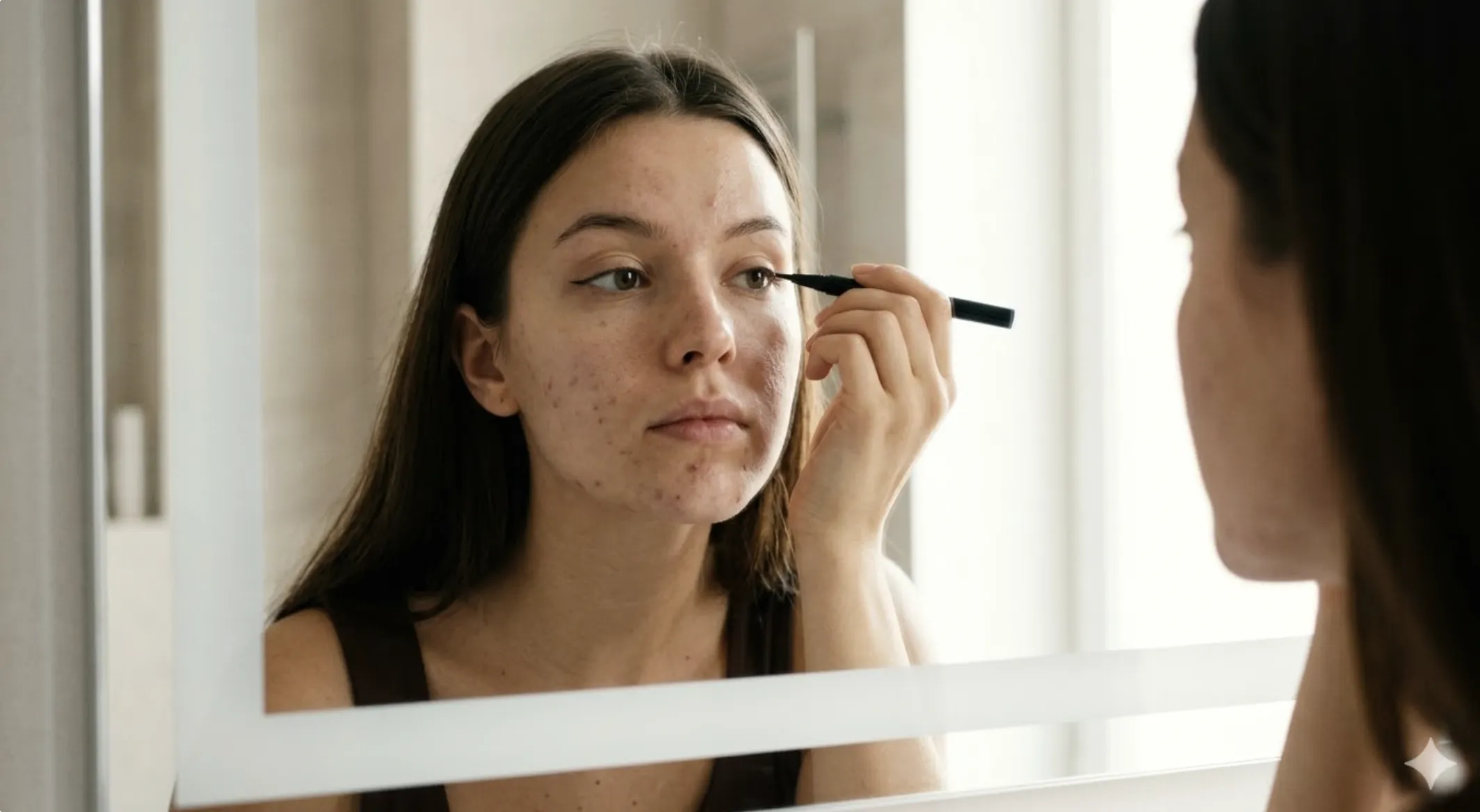
Let me tell you something that changed my routine forever: the best foundation in the world will look terrible if your skin is thirsty. We've all had that moment of looking in the mirror at 3 PM and seeing that our face looks like the Sahara desert. The makeup has settled into every pore, every fine line, and it looks like a mask that is cracking. The blame? No, it's not that expensive foundation you just bought after watching a tutorial. It's the prep work you skipped because you were rushing in the morning.
The Canvas is More Important Than the Paint
Imagine trying to paint a dry, dusty, cracked wall. The paint will crack and flake off, right? It's exactly the same with your face. When you apply makeup on dehydrated skin, your skin goes into panic mode and desperately tries to absorb any drop of water in your foundation formula. What remains on the surface is dry, bare, patchy pigment. Hydration is your absolute protective shield. You need to create a bouncy, juicy barrier between your skin and the makeup.

Well-hydrated skin is the secret to flawless makeup that lasts for hours without caking.
The Mistake of Not Waiting
A super common beginner mistake that ruins everything is applying moisturizer and, literally a second later, putting foundation on top. Huge mistake! Products need time to settle into your skin. If you mix wet cream with makeup, you are diluting your foundation's formula, breaking its polymers, and causing it to just slide around your face. Give your skin 5 to 10 minutes to absorb everything. Use that time to do your hair, brush your teeth, or pick your outfit.
Do I Really Need a Primer?
It depends on what you are looking for. Beauty brands want to sell you a "primer" for every micro-problem on your face, but the harsh reality is that a good, well-formulated moisturizer does 80% of the work. However, if you have very large pores or extremely oily skin, a specific mattifying or smoothing primer (only in the T-zone) can be a lifesaver. If you have dry skin, run away from mattifying silicone primers; they will only make your skin look duller and suffocated.
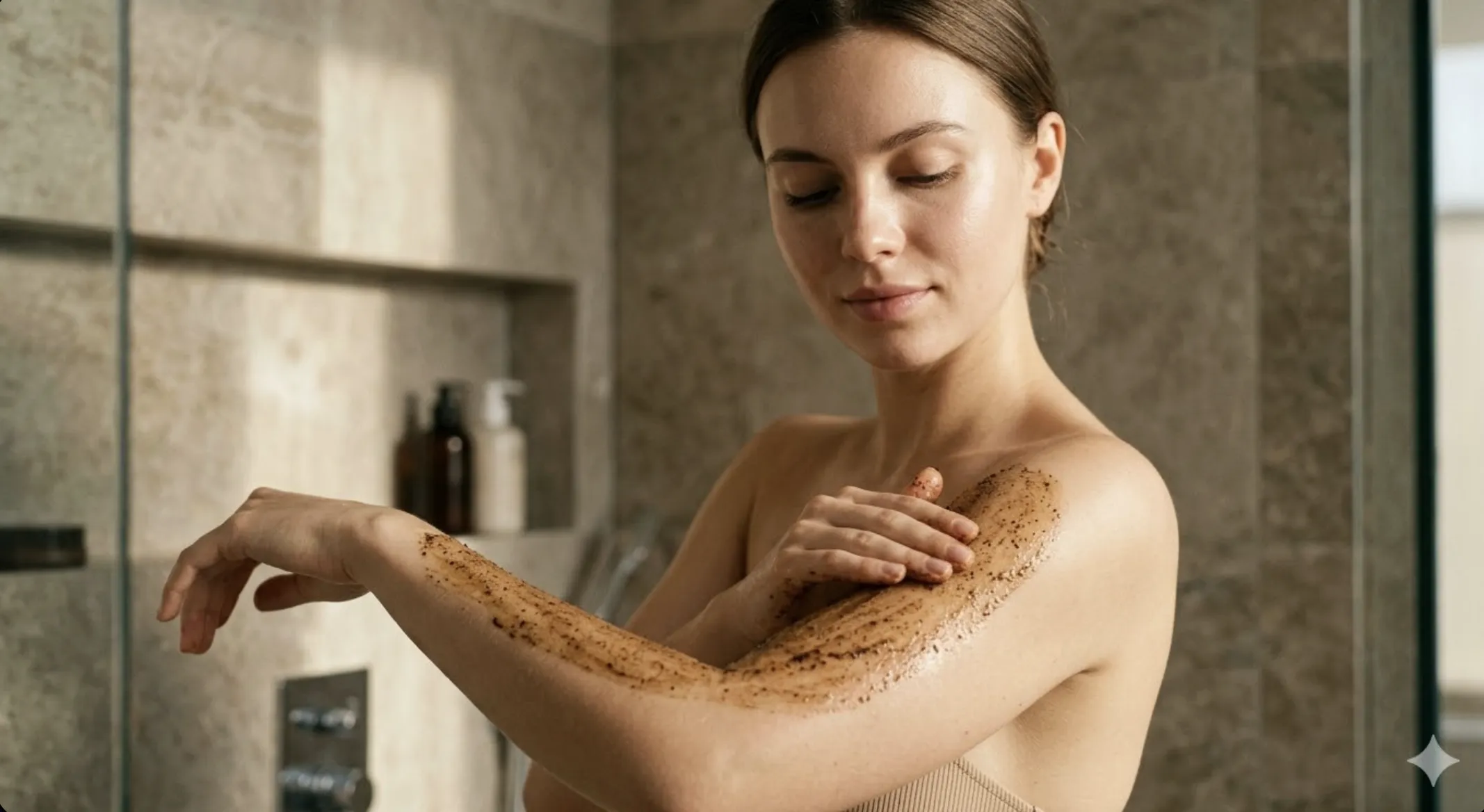
Exfoliation: The Invisible But Crucial Step
It doesn't matter how much expensive cream you use if you have a layer of dead cells on the surface. Makeup is ruthless: it will cling to those dry flakes and highlight them like neon signs. A gentle chemical exfoliation (with AHAs like lactic or glycolic acid) a couple of nights a week will ensure your foundation glides on like butter the next morning. Your face is your canvas. Treat it with love, give it a drink, and you'll see how any makeup, even the cheapest drugstore brand, looks like it was applied by a Hollywood pro. Shall we start prepping that skin tonight?
💆 Practical Example
Your Skin Prep Routine
Step 1: Ultra gentle cleanse. Wash your face with a gel or cleansing milk that doesn't leave a tight feeling. Your skin should feel clean but elastic and comfortable.
Step 2: Toner and Serum. Apply a hydrating toner and, while skin is still slightly damp, apply your hyaluronic acid serum. This locks water inside your skin.
Step 3: Seal the hydration. Use your favorite moisturizer. Massage it in well with upward motions to boost circulation, and don't forget your neck.
Step 4: Wait time and SPF. Wait 5 minutes. Then apply your sunscreen (never skip it!) and wait another 5 minutes before starting with foundation. You'll see the magic.